Our Location
304 North Cardinal St.
Dorchester Center, MA 02124

304 North Cardinal St.
Dorchester Center, MA 02124

Some rooms expand your thinking. Others quietly shrink it. Your home may be shaping your creativity more than you realize.
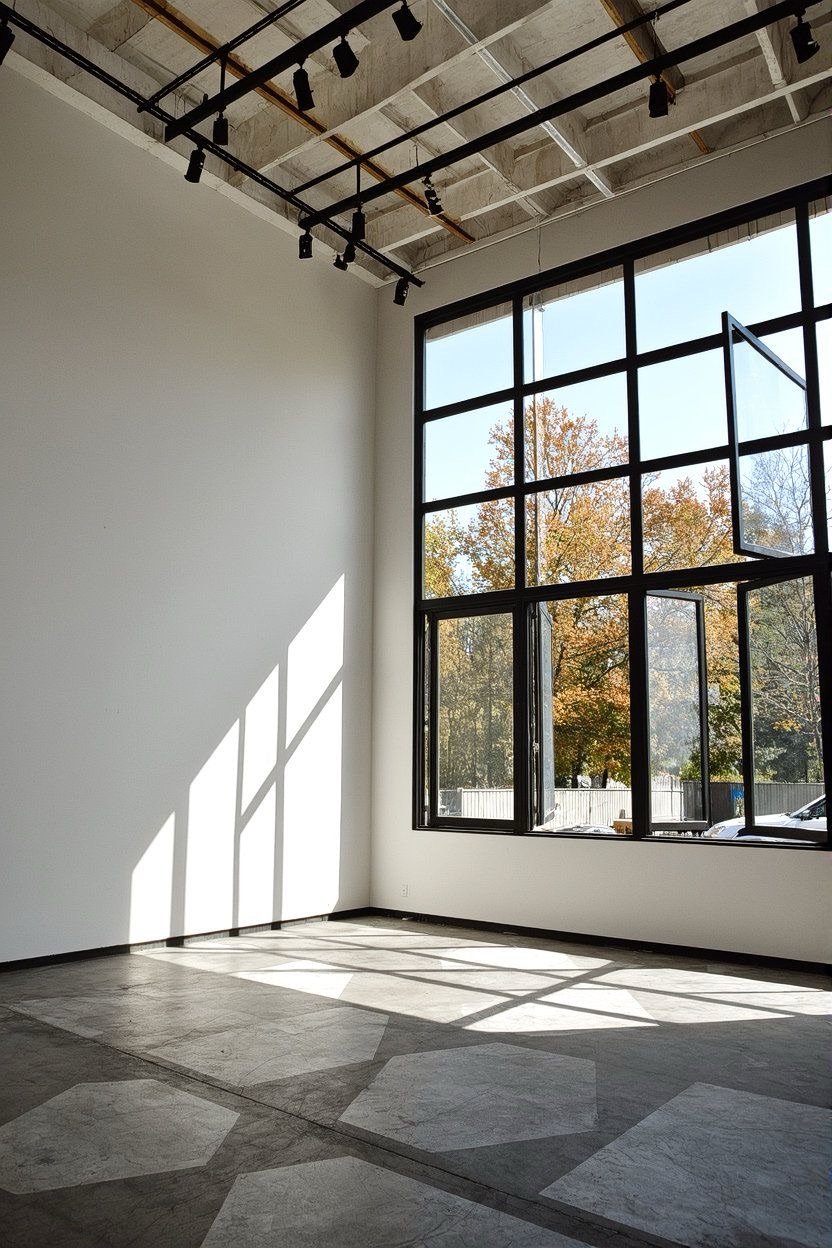
A quiet psychological fact you might relate to
Your brain doesn’t think the same way in every space. Without you realizing it, the height above your head subtly changes how freely or how tightly your thoughts move. That’s why one room makes ideas flow, while another makes you feel boxed in—even when nothing obvious seems wrong.
You’re not imagining this
You sit down in one corner of your home and suddenly ideas come easily. You think bigger. You plan. You dream.
Then you move to another room—maybe your study, maybe your bedroom—and your mind feels… smaller. You can focus, but creativity feels forced. Or worse, you feel distracted, restless, or mentally tired for no clear reason.
You might assume it’s about mood, motivation, or discipline. But often, it’s not you at all.
It’s the room.
Why this happens (in very simple psychological terms)
Our brain constantly reads the environment for cues. One of the strongest cues it picks up—without conscious awareness—is vertical space.
Psychologists call this the Cathedral Effect. In short:
Neither is good or bad. The problem begins when the thinking style a room triggers doesn’t match what you’re trying to do there.
How your home design quietly triggers this
In many urban Indian homes, ceiling height is treated as a purely technical or decorative decision. False ceilings are added everywhere—for lighting, AC ducts, or “finish”—without considering how that room is meant to support your mind.
Here’s how mismatch happens:
Your brain reacts to these signals instantly. You don’t think, “This ceiling is low.”
You just feel less free. Or strangely tense. Or unable to access your best thinking.
Signs your home might have a ceiling–intention mismatch
See if any of these sound familiar:
These aren’t habits. They’re adaptations.
Design fixes that actually help (without breaking ceilings)
Good news: fixing this doesn’t always mean structural changes or expensive renovations. It’s about aligning visual cues with mental intention.
Some simple, psychology-backed approaches:
Vertical wall elements, taller shelving, elongated panels, or upward lighting can restore a sense of openness even in lower ceilings.
If a room serves multiple purposes, subtly separate zones:
False ceilings aren’t bad—but they shouldn’t be automatic.
Creative areas benefit from lighter, minimal drops. Focus zones benefit from contained, calm overhead planes.
Natural light and upward wash lighting expand perceived volume. Harsh downlights compress it.
Ask one simple question per room:
Do I want to think freely here, or precisely?
Design choices should support that answer.
Why professional planning makes a difference
Most homeowners plan ceilings around lights, ducts, and budgets. Trained designers plan them around human response. Ceiling psychology isn’t discussed openly—but it’s intuitively applied by professionals who understand how space affects attention, comfort, and emotion over time.
That’s why some homes just feel right—even when they aren’t larger or more expensive.
A gentle invitation
If parts of your home feel mentally “off,” it’s not a failure of taste or effort. It’s often a misalignment between how you think and how your space is asking you to behave.
At Itraah Interiors, we help you decode that relationship—so your home supports your mind instead of working against it.
If you’re curious, we’d be happy to walk through your space with you and understand how small design shifts can make thinking, creating, and living feel easier again.
No pressure. Just clarity.