Our Location
304 North Cardinal St.
Dorchester Center, MA 02124

304 North Cardinal St.
Dorchester Center, MA 02124

Modern homes don’t have to feel cold. Ethnic-Urban Fusion brings subtle Indian warmth into clean, contemporary spaces—without turning your home into a theme set.
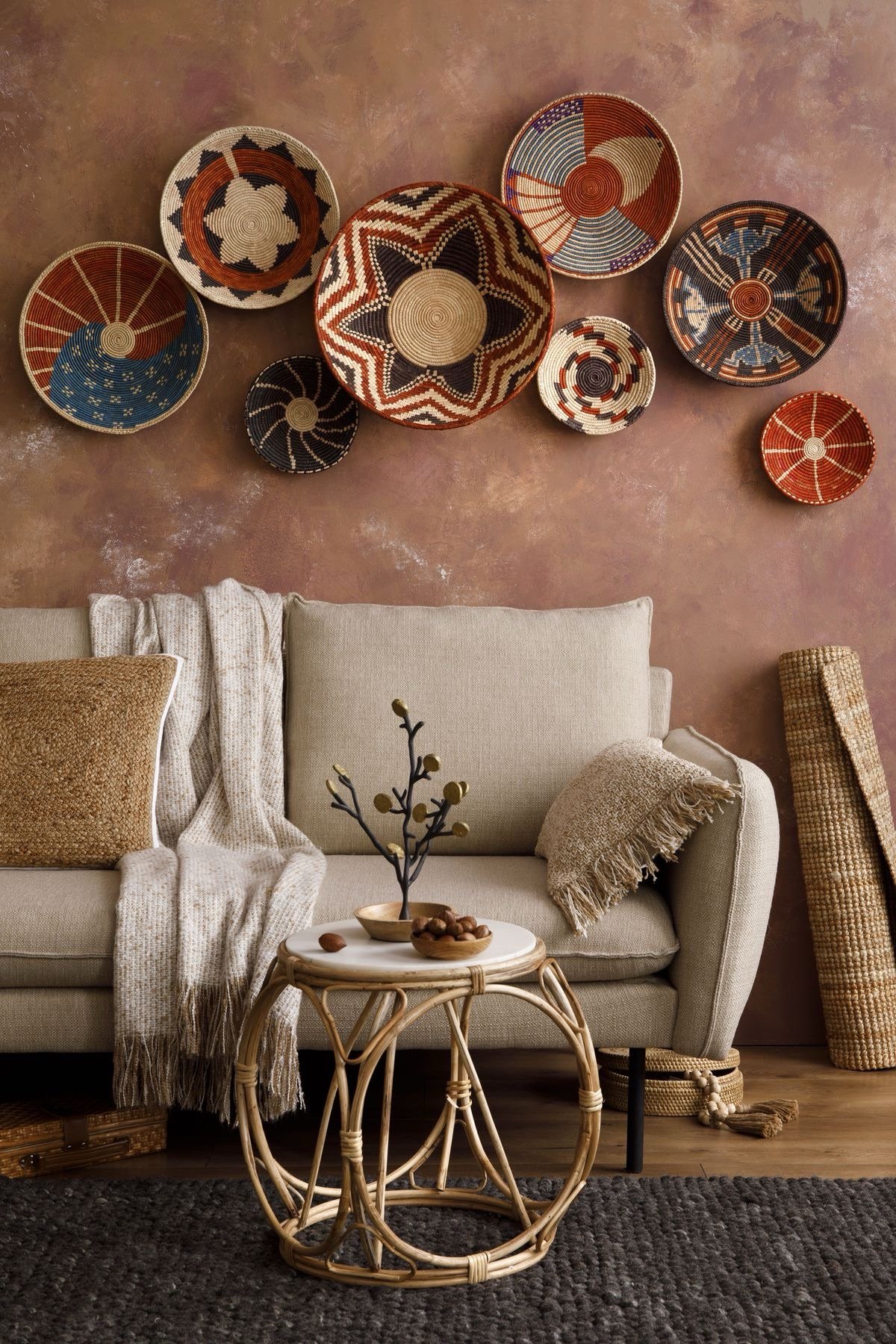
Scroll through Instagram or Pinterest and you’ll see plenty of homes tagged as “ethnic-modern.” Many of them rely on surface-level décor—a few brass artefacts here, a printed cushion there—without truly integrating tradition into the design language. True Ethnic-Urban Fusion goes deeper. It’s about balance, restraint, and making cultural elements feel natural in a contemporary home.
At its core, Ethnic-Urban Fusion is about rooted modernity.
The home feels clean, uncluttered, and current—yet carries subtle cues of Indian identity through textures, materials, and craftsmanship. It does not look like a heritage haveli, nor does it feel like a cold, international apartment. Instead, it sits comfortably in between.
Think modern layouts and functionality, softened by warmth—handcrafted finishes, tactile fabrics, and details that feel personal rather than decorative.
The feeling it creates:
1. Color Palette
2. Materials
3. Furniture Style
4. Décor Approach
5. Lighting Philosophy
In urban apartments, Ethnic-Urban Fusion helps counter the uniformity of builder layouts. A neutral living room gains warmth through textured walls, handcrafted lighting, and subtle ethnic accents without sacrificing space or light.
In builder floors and villas, the style allows for deeper layering—wooden ceilings, stone-clad walls, or indoor courtyards paired with modern furniture and layouts.
In metro cities like Delhi NCR, Mumbai, Bengaluru, Pune, and Hyderabad, this style works particularly well because:
This style adapts well, but it shines most in:
Ideal home sizes:
Very small homes need careful restraint to avoid visual heaviness.
Ethnic-Urban Fusion is moderately premium, not budget-minimal—but it doesn’t need to be extravagant.
Indicative costs (turnkey interiors):
What increases cost:
What keeps it controlled:
Yes, if you…
Avoid this style if you…
Ethnic-Urban Fusion is not a checklist—it’s a design language. Copying images rarely works because every home has different proportions, light, and family habits. What feels balanced in one space can feel cluttered in another. The key is customization: deciding where to introduce culture and where to let the space breathe. Good design edits more than it adds.
If you’re drawn to homes that feel modern yet deeply personal, Ethnic-Urban Fusion could be the right direction—but only when tailored to your lifestyle and space. At Itraah Interiors, we design this style with intention, not templates—so your home feels authentic, calm, and timeless.
Explore this theme with us and see how rooted modern design can truly feel like home.