Our Location
304 North Cardinal St.
Dorchester Center, MA 02124

304 North Cardinal St.
Dorchester Center, MA 02124

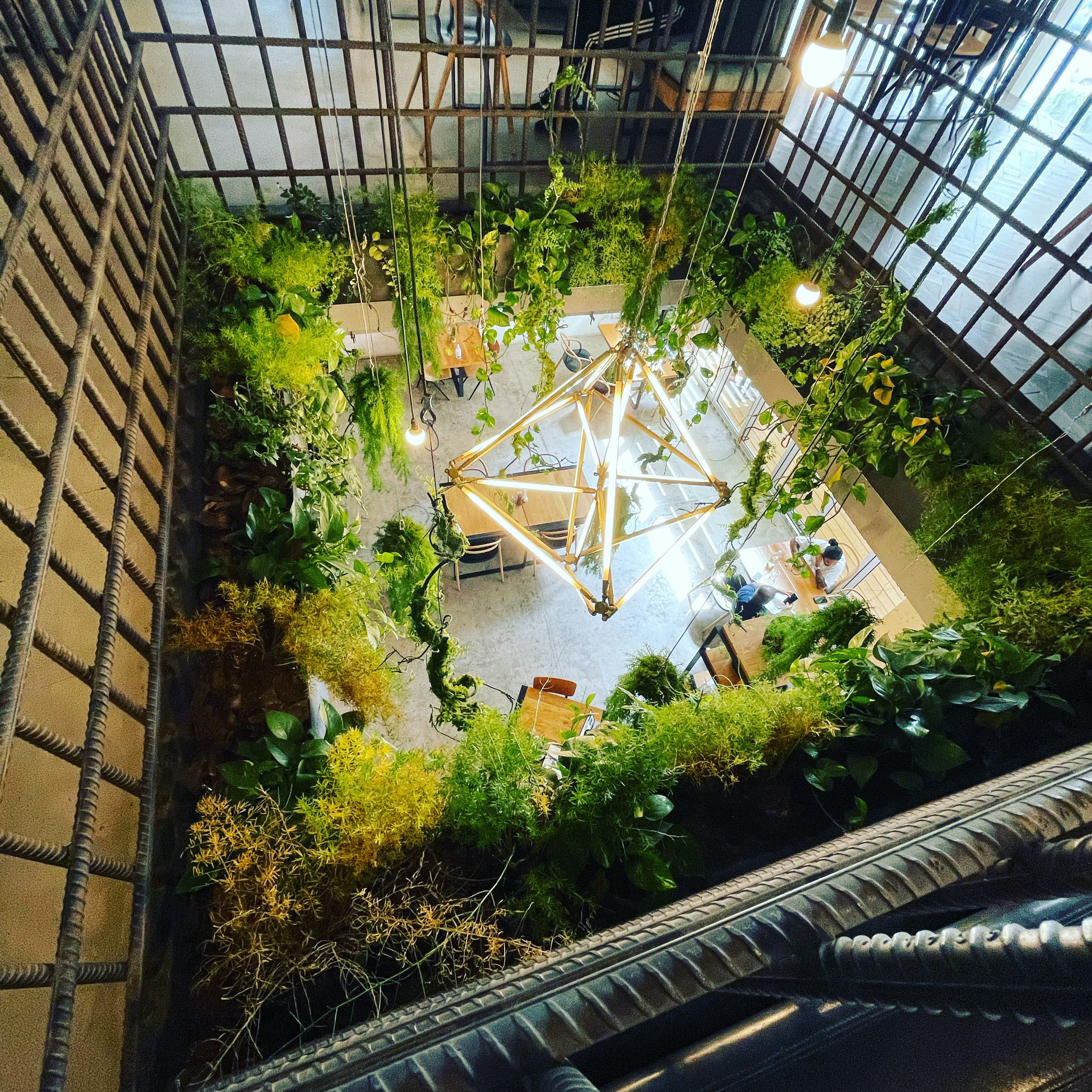
Biophilic design is an innovative approach to interior design that seeks to create a harmonious relationship between indoor environments and the natural world. The term ‘biophilia’ stems from a Greek word meaning ‘love of life or living systems,’ and it encapsulates our intrinsic attraction to nature. In modern context, particularly for Indian homeowners, biophilic design serves as a crucial paradigm, integrating elements that evoke nature and foster a sense of well-being.
The importance of incorporating biophilic design in India is heightened by urbanization, where individuals often find themselves disconnected from nature due to concrete jungles. By introducing plants, planters, and natural materials into interiors, the concept promotes a rejuvenating atmosphere that resonates with our innate need for greenery. This connection not only enhances aesthetic appeal but also yields numerous psychological and physical benefits.
Research has shown that environments enriched with natural elements can significantly reduce stress levels, improve mood, and increase productivity among occupants. For instance, incorporating indoor plants into the decor has been linked to improved air quality and respiratory health, making small indoor plants and desk plants valuable additions in both homes and offices. Furthermore, the use of sustainable materials in interior decor aligns with the principles of sustainable interior design in India, appealing to environmentally conscious residents.
As we embrace biophilic design, it encourages thoughtful consideration of how our living spaces interact with the wider ecosystem. This integration can lead to healthier lifestyles and a more profound appreciation for nature, reflecting a shift towards more sustainable living practices. Ultimately, biophilic design in India can redefine how individuals experience their surroundings, creating spaces that are not only functional but also nurturing and restorative.
Incorporating natural materials into interior spaces is a central tenet of biophilic design in India. Elements such as wood, cane, bamboo, and stone not only resonate with India’s rich cultural heritage but also contribute to creating calming and health-promoting environments. Traditional Indian architecture often prominently features these materials, exemplifying their beauty and functionality in everyday life.
Wood, for instance, has been a staple in Indian interiors, known for its warmth and versatility. From intricately carved furniture to wooden beams and flooring, the presence of wood establishes a natural flow and connection to the outdoors. It has been widely recognized for its insulating properties and ability to regulate indoor humidity, thereby enhancing comfort levels in homes.
Cane and bamboo are also extensively utilized in sustainable interior design in India. These materials, which are abundant and easily renewable, serve multiple purposes. Cane furniture, renowned for its lightness and durability, offers an aesthetic appeal that can complement various design styles. Similarly, bamboo, with its strength and flexibility, can be fashioned into decorative accents as well as functional elements like planters or partition screens. Employing these materials reflects a commitment to sustainability while honoring traditional craftsmanship.
Stone, particularly local varieties like sandstone and granite, feature in home designs that aim to connect inhabitants to the Earth. The natural textures and colors of stone create a serene ambiance that promotes tranquility. When paired with indoor plants, such as small indoor plants or desk plants, these natural materials can create a harmonious balance within the interior space, encouraging wellness and reducing stress.
Thus, the intelligent use of natural materials in biophilic design is pivotal for fostering environments that are not only visually appealing but also supportive of mental and physical health. By harmonizing indoor elements with nature, we can cultivate spaces that resonate deeply with both the individual and the broader cultural narrative of India.
Indoor plants play a pivotal role in the concept of biophilic design in India. By integrating elements of nature into indoor environments, these plants not only beautify spaces but also contribute significantly to health and well-being. The presence of greenery in homes and offices helps create a serene atmosphere that fosters relaxation and reduces stress.
In India, selecting the right plants can enhance the aesthetics of interiors while providing numerous benefits. Some of the best choices for indoor plants include money plants, which are known for their air-purifying qualities and ability to thrive in various lighting conditions. Other popular options are small indoor plants such as peace lilies and snake plants, both of which require minimal maintenance and can flourish in limited spaces.
Implementing biophilic design through the use of desk plants is particularly advantageous in office settings. These smaller plants can be placed on workstations, improving air quality and enhancing productivity. Research has indicated that green surroundings can boost focus and creativity, making them an essential aspect of any sustainable interior design in India.
Additionally, integrating planters that align with the home’s decor not only allows for functional aesthetics but also facilitates the incorporation of various plant species. The visual appeal of greenery combined with their health benefits—such as increased humidity, reduced pollutants, and boosted mood—positions indoor plants as vital components of biophilic design.
In summary, the choice of plants is crucial. By selecting the right indoor plants, individuals can create healthier, happier living and work environments while embracing the principles of biophilic design in India.
Implementing biophilic design in India can significantly enhance the aesthetic and emotional appeal of homes and workplaces. One of the foundational aspects of this design philosophy is the integration of plants. Incorporating indoor plants into your decor not only improves air quality but also adds a vital touch of nature to your space. Choose small indoor plants, such as succulents and snake plants, which require minimal maintenance and can thrive in limited light conditions, making them ideal for apartments or smaller offices.
Decorative planters can significantly enhance the appeal of indoor plants. Selecting stylish and unique planters can turn a simple plant into a focal point within a room. Experiment with different materials, colors, and sizes to tailor your choices to your personal style. Incorporating hanging planters can also utilize vertical space, creating an engaging visual dynamic throughout your space.
Natural light is another critical element of biophilic design. Maximize natural light in your environment, as it not only illuminates but attaches a sense of openness and tranquility. If possible, arrange furniture to allow for unobstructed light or incorporate mirrors to reflect the light, thus creating a more expansive feel. Consider using sheer window treatments to filter light gracefully while still allowing the natural rays in.
Personalization is key to creating an environment that resonates with you. Utilize a mix of plants and textiles inspired by natural elements to bring warmth to spaces. Integrating nature-inspired art or wood elements can enhance the biophilic ambiance. Ultimately, the goal of biophilic design in India is to create a harmonious and sustainable living environment where individuals feel connected to nature, fostering both creativity and well-being.