Our Location
304 North Cardinal St.
Dorchester Center, MA 02124

304 North Cardinal St.
Dorchester Center, MA 02124

If your room feels restless, it’s not in your head. Your nervous system responds to nature long before your mind does.
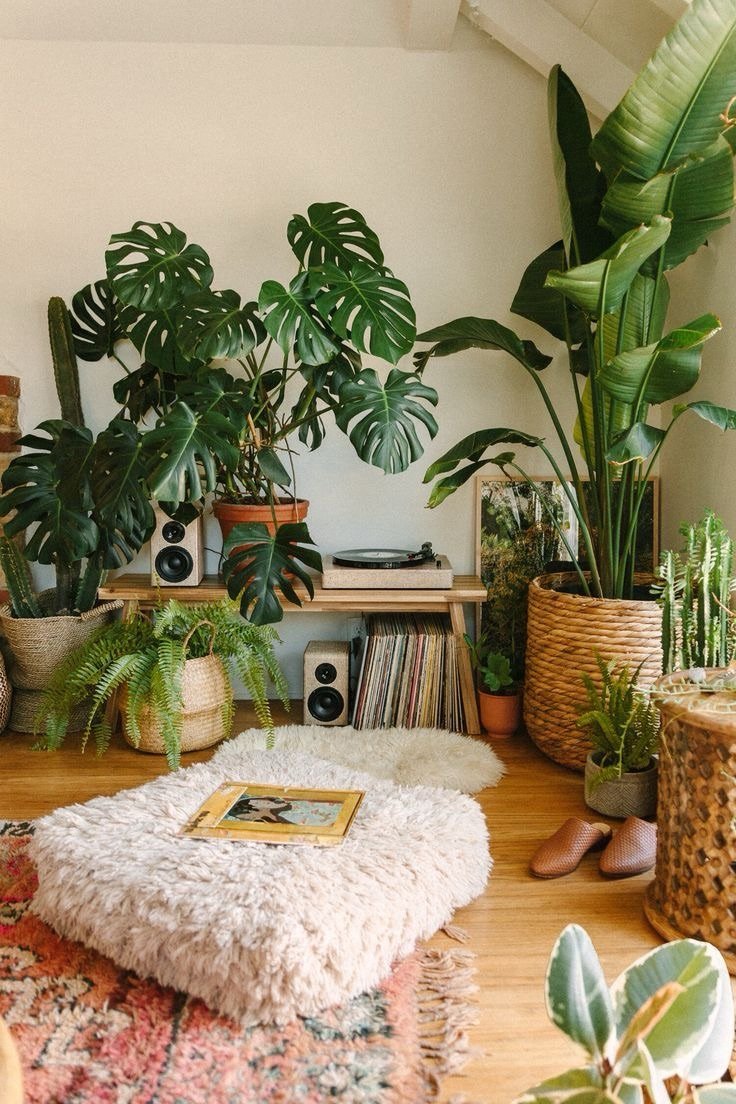
Studies in environmental psychology show that exposure to natural elements can reduce cortisol (the stress hormone) by up to 15%.
What’s unsettling is this: your body reacts to nature even when your mind thinks it’s “just decor.”
If you’ve ever felt calmer in a park, near a window, or even around a plant—this isn’t imagination. It’s biology.
You come home after a long day.
Nothing is technically wrong.
The house is clean.
The furniture is fine.
You sit down—but your shoulders don’t drop.
You scroll. You fidget. You feel oddly restless in your own room.
You might think you’re overworked. Or distracted. Or just tired.
But often, your home is missing something your nervous system quietly expects.
Humans evolved for thousands of years outside, not inside sealed boxes of concrete and glass.
Our brains are wired to:
Psychologists call this biophilia—the innate human need to connect with nature.
When that connection is missing:
You don’t consciously notice this.
Your nervous system does.
Modern homes—especially urban apartments—often remove nature without realizing it.
Here’s how design plays a role:
The result?
Your brain gets no signals that say “you can rest now.”
You may be experiencing this if:
If two or more feel true, your space likely lacks nature cues.
Biophilic design isn’t about filling your home with plants.
It’s about strategic connection with nature, direct and indirect.
1. Direct Nature (Physical Presence)
2. Indirect Nature (Psychological Cues)
3. Strategic Placement Matters More Than Quantity
Nature works best in high-stress zones:
One well-placed element where your eyes rest daily is more effective than ten ignored ones.
These stress triggers are invisible because they work below conscious awareness.
Homeowners focus on:
Designers trained in psychology notice:
That difference changes how a home feels, not just how it looks.
If your home looks fine but doesn’t feel right, that’s not your fault—and it’s not random.
Sometimes, your space just needs to speak the language your body understands.
At Itraah Interiors, we help you uncover why your home feels the way it does—and how small, thoughtful changes can make daily life calmer, clearer, and more grounded.
If you’d like, we offer a free, no-pressure consultation to understand your home through a psychological lens—human, practical, and tailored to you.